
Design And Decor
5 Reasons to Install a Home Heat Recovery System
When you’re looking for the next great idea as a homeowner, why not think about a home heat recovery system? It’s compact, energy efficient, and saves you money on your heating. Here are five excellent reasons to consider buying a heat recovery system today.

1. Low Noise Factor
The operations of a home heat recovery unit are surprisingly low. This is because the system runs in the background quietly extracting small amounts of stale air. It pulls in air from outside the home and runs it through some filters. But this again isn’t a noisy process. Unlike older AC units which can make a racket, you usually won’t know a heat recovery unit is turned on.
You can look for more information to confirm what the best brands are and why a professional installation is so important.
2. Long Ownership Period
A home heat recovery unit works well for many years. There are also the ducts which have little to prevent them from operating successfully for half a decade or longer. Getting quality brands is important to increase the durability. Once that’s accomplished, it’s all about having basic maintenance performed to ensure the system runs at peak efficiency. This keeps the annual ownership costs down by helping it to operate for longer.
3. Better for Allergy Sufferers
When using an AC unit, the air in the room isn’t being effectively cleaned. If the filters inside the AC unit haven’t been replaced recently, then the air quality will actually be getting worse. There have been cases of Legionnaire’s disease because AC filters weren’t swapped out.
With a heat recovery system, air is regularly replaced with filtered air from outside the home. This way, low-quality air is not allowed to linger. The effective filtering ensures allergy sufferers don’t have the usual itchy nose or breathing difficulties.
4. Reduces the Heating Bill
Heat that’s collected and redistributed, infused into clean air and distributed to other rooms means the home doesn’t have to be heated room-by-room. It’s more evenly spread around. You won’t find yourself turning up the heating in rooms that you spend time later in the day when the sun is setting, and the temperature is falling outside. This contributes to a low energy bill which is most welcome.
5. Less Times That You’re Sick
Damp rooms that aren’t regularly heated because they’re left unoccupied most days develop conditions where bacteria can flourish. Long-term issues with too much moisture in the air can affect the lungs and lead to a chest infection or a worsening of a chronic illnesses like asthma.
When the air is filtered and replaced regularly, and warmth is redistributed into the lesser used rooms, dampness is avoided. So too are a host of related problems that can be a danger to health. Therefore, a heat recovery system definitely has unseen health benefits.
With the reasons outlined above in mind, why not contact a heat recovery system contractor today?
Tags:










3 DIY Solutions to Upgrading Your Home On A Budget

For thousands of Americans, the amount spent on home improvement projects ranges anywhere between $5,000 – $18,000. However, if you plan to Do-It-Yourself, you can transform your home into a mini paradise with just a fraction of the cost to hire an interior designer. Whether you have just moved into a new home or are looking to spice up the aged design, check out these 3 DIY solutions to upgrading your home on a budget.
Create the illusion of a bigger room
Paint is one of the most important aspects of interior design. The color scheme of your walls could be the difference between boring and exciting. In addition, paint is rather cheap and currently, there are hundreds of colors to choose from. For smaller rooms, it is advised that one should use softer and lighter colors. You can also experiment with different colors on different walls in a room.
According to this interior design firm in Orange County, CA the mirror should not reflect anything unpleasant or another mirror as this could make them totally spoil the design of your home. Decorative mirrors are also great for smaller rooms. Their reflection makes the room look much more spacious. This has been proven to create the illusion of a bigger room.
Optimize space
One of the greatest mistakes that most people make is having too many things in one room or in a small space. Clutter is the main reason that most houses seem poorly designed. That does not mean that you have to go minimalist and ditch half of your belongings. You can use well-designed shelves to store away things that are not complementary to the general design of the house.
One smart idea that is gaining traction is the using of old items for unique creations. You can hang old cutlery from the ceiling to create a beautiful art scheme. What about repainting and remodeling your old furniture? The most important thing to remember is that you should not overdo the design. Small changes can make huge differences.
Go Eco-Friendly
With everything going green, why not do the same to your home? Besides the already well known environmental and possibly health benefits plants have, they can also transform your home’s interior design. What is more is that plants come in different colors. You can get some green plants or yellow and orange flowers. The options are unlimited.
Plants are known to add color and texture to the design of the room. In addition, plants give you the option of playing around with vases of different colors, shapes and sizes giving your home that edgy look.
With the tips mentioned, you can cost-effectively transform your house into a masterpiece. Find a design you like and use it to meet your taste. The rule of the thumb is to never overdo a design but also never limit your creativity.
Tags:
Funding Solutions When Remodeling Your Home

The average expense for multiple room renovations in the US ranges from $17,000 – $63,000, and homeowners are spending more and more each year. It’s the harsh reality that, before you’ve even begun your home improvements, you may find out that you’ve not quite got the funds; and on top of that there are hidden expenses of remodeling that haven’t even been budgeted for in the initial planning. Whether your project involves a complete redecoration to bring your house back to the 21st century, or just installing a new bathroom, funding always seems to come up as a barrier to realizing your ideal remodeling project. But, no matter the scale, there are funding solutions that can keep your plans on track and on budget without having to sacrifice your vision for the perfect home remodeling.
Secure your finances early with mortgages or loans
Most homeowners need to consider whether to go with mortgage or loan solutions when renovating their property. A home equity loan is one of the more common solutions to funding your home improvements as it offers a lower interest rate and larger available funds than a personal loan; however, it does involve a fixed payment plan. Some consider refinancing their mortgage instead if they know they will be able to pay it back over time and might get a lower interest rate in the process. However, a reverse-mortgage should also be considered if you are over the age of 62. These are based on just a percentage of the equity of your property and aren’t required to be repaid until the property is sold of you have moved out; making reverse-mortgages the most secure finance solution for remodeling your home.
Use cash assets and do-it-yourself for smaller aspects of the project
As cash doesn’t involve interest rates, it is best to pay with cash for the much smaller aspects of your home improvements such as buying the odd piece of material from the DIY store. And of course, where possible, do-it-yourself! DIY is all part of the fun and will save you on labor when it comes to smaller tasks such as painting walls, nailing in the skirting boards, and putting up shelves or small units. Save where possible, get stuck in when you can, and the positive effects on your budget will really show.
When it comes to remodeling your home, you don’t have to let your finances get on top of you. Early planning and secure budgeting solutions such as taking out a reverse-mortgage and knowing which aspects of the renovations can have cash assets spent on them will make all the difference. Then, you will be well on your way to realizing your dream home remodeling project, no matter the scale or budget.
Tags:
Tips For Buying A Fence
Boost your home’s curb appeal with a fence that’s perfectly suited to your property. One of the great features about fences is the beauty they can add to a home. Whether you’re talking about a white picket fence around a charming cottage or a privacy fence surrounding the backyard, fences can create a real wow factor.
If you’re in the market for one, consider some of the best and most attractive fence styles available today:
Wood:
A long-beloved fence style, wood fencing is popular for a reason. Available in many grades, species and styles, wood fencing opens a world of possibilities for completing your property. From the durable, lightweight quality of cedar to the modern look of wood fences made of horizontally fixed planks, you can choose just the right design to fit your home.
Vinyl:
When you want a fence that looks like wood but is even more durable and easy to maintain, a vinyl fence is the answer. Today’s vinyl fences are resilient against inclement weather, so you can count on them to last well into the future. Likewise, they come in all kinds of designs, from picket fencing to semi-privacy fencing.
Chain link:
What’s great about chain link fences is their affordability and convenience. Use these fences when you want to protect pets, add security or otherwise contain an area with a no-frills fencing option. You can also dress up chain link with plants or climbing vines to make it look more eye-catching.
Ornamental:
Available in steel, aluminum and wrought iron, ornamental fences can create an upscale look that highlights quality architecture and adds value to a property. Shop different ornamental designs to find one that befits your home.
When you’re planning to invest in a new fencing structure for your home, evaluating the fencing types and materials is worth the effort. Likewise, in addition to exploring designs, put a little time into goals, contractors, samples and more. Check out the infographic below for more information on how to pick the right fence for you.

Dean White Bio
Dean White is owner and operator of Peerless Fence, one of the largest fence companies in northern Illinois. He has more than 30 years of experience in the fence industry. Peerless Fence uses its size, expertise and quality products to provide a superior product and service compared to its competitors.
Tags:
What’s So Special About Saltwater Pools?

Saltwater pools are gaining popularity as an alternative to traditional chlorine pools. Saltwater pool owners enjoy key benefits, but it’s important to learn what you’re in for before deciding on the right type of pool for your home.
Here, we’ll clear up some common misconceptions about saltwater pools, and weigh the pros and cons of saltwater pools over traditional pools.
The Basics
In a traditional pool, the chlorine level is maintained by periodically adding chlorine to the pool. However, a saltwater pool generates salt chlorine from added salt by the process of chemical electrolysis, using a salt chlorine generator. This highlights an important fact: a saltwater pool is a chlorine pool, it simply uses an alternate means of chlorination. That being said, a saltwater pool’s chlorine content tends to be much lower than that of a traditional pool. The significantly lower chlorine content in a saltwater pool is much gentler on the skin, hair, and eyes.
But, What is a Salt Chlorine Generator?
A salt chlorine generator is a metal cell that carries a low voltage electrical current. The generator is installed inline the pool’s existing pump system so the water is pumped through the generator before being returned to the pool. As the water passes through the metal cell, the current splits the salt into water and hypochlorous acid, which provides the disinfecting function normally achieved by adding chlorine.
A saltwater generator creates salt chlorine from simple table salt (NaCl), eliminating the need to handle chlorine. Because the chemical electrolysis converts the salt back and forth between salt and salt chlorine, and because salt does not evaporate (unlike chlorine), there is a reduced need to replenish the pool’s chlorine content. Still, the chlorine content of a saltwater pool must be monitored and salt must be added, as appropriate, to maintain safe levels.
Is It Like Swimming in The Ocean?
Note quite. The salinity of a saltwater pool is about one-tenth that of seawater. In fact, a saltwater pool is less salty than human tears. In the ocean, it’s easier to float on your back due to the added buoyancy of the salt. Saltwater pools don’t provide the effect quite as well.
The reduced salt of a saltwater pool in comparison with the ocean has a few benefits. You won‘t feel the “salty” feeling on your skin and hair quite as intensely after drying off. A pool’s water also does not sting your eyes in the same way ocean water will.
How Do I Convert My Pool?
Converting a traditional chlorine pool to a saltwater pool is fairly easy, but can be expensive. First, you would need to determine what size pool you have and install a salt chlorine generator capable of handling the volume. Salt chlorine generators range in cost from several hundred dollars to thousands of dollars. If you are not completely confident in your understanding of the system, you might also want to high a professional to do the installation so as to avoid damage to your equipment. It’s also important to not that the salt chlorine generator will need to be replaced every few years.
Then, you need to determine how much salt your pool needs. Pool salt test strips can tell you your pool’s existing salt level so you can accurately determine how much you need to add. Again, a saltwater pool uses simple table salt which should be easy to find. After you add the salt, you should run the pump (but NOT the salt chlorine generator), for 24 hours to allow the salt to evenly mix with the pool water. After that, you should test the water for appropriate salt, free chlorine, pH, cyanuric acid, total alkalinity, and calcium hardness, before running the salt chlorine generator. This process is referred to as “balancing the pool water.”
Are Saltwater Pools Low Maintenance?
Again, we’re here to debunk a common misconception. While saltwater pools require reduced maintenance steps, the water must still be routinely tested and adjusted to maintain proper sanitation. The salt chlorine generator cell must also be inspected at regular intervals for buildup and debris. Calcium buildup is a common issue in salt chlorine generators.
Is It Worth It?
The general consensus has been that the benefits of a saltwater pool far outweigh the negatives. The popularity of saltwater pools is on the rise as people appreciate the improved swimming experience:
- The low salinity of the water means that very little salt remains on the skin.
- The significantly lower chlorine level gives the water a softer feel, and is gentler on skin, hair, eyes, and even clothing.
- Not having to physically handle toxic liquid chlorine or tablets has also been a big selling point among pool owners. Owners also appreciate the savings from no longer needing to purchase chlorine.
- Also, there is generally less loss of chlorine to the environment with a saltwater pool than there is in a traditional pool.
- Restoring a saltwater pool’s chlorine level can be as easy as simply adding some table salt.
While the benefits of saltwater pools are clear, it’s important for a potential owner to know the facts about what they are and what they are not:
- A saltwater pool is not quite like the ocean. The salinity of a saltwater pool is far lower than that of seawater.
- Installing a saltwater pool requires a higher initial investment, and fixing any broken equipment can be more expensive.
- A saltwater pool is not low maintenance. Maintaining a sanitary saltwater pool requires consistency and attention to detail. All other parameters required for a safe pool still need maintenance.
- Since a saltwater pool simply employs an alternate means of chlorination, many of the same issues that come up with a traditional pool will persist with a saltwater pool.
- Salt can be corrosive to equipment surrounding your pool.
About the author:
Jason Caldwell is a Seattle-based writer and contributor to lifestyle blogs and magazines. His clients include An online swimming pools supply company. When he’s not running up against a deadline, he enjoys planning DIY projects and cooking for his family.
Tags: backyard, contemporary, eco-friendly, home improvement, landscaping, patio
Best Remodeling Ideas for Your New Home
[et_pb_section bb_built=”1″][et_pb_row][et_pb_column type=”4_4″][et_pb_text _builder_version=”3.0.76″ background_layout=”light” border_style=”solid”]

Our house is our castle, but after a few years even the most amazing castle becomes redundant in appearance. Looking at the same painted walls, carpet or furniture may feel tired…and boring. Every home needs a facelift eventually, but sprucing up your sanctuary doesn’t have to be budget ending.
Remodeling means different things to every homeowner. While a remodel may be as drastic as adding on a new wing to a home, the renovation process may be as subtle as a new coat of paint. No matter how extreme or conservative your plan, the choice to remodel is one that every homeowner considers during their residency. Taking the big leap doesn’t have to be scary, though, because you can take baby steps toward that final vision of home perfection.
Ready to give your castle a facelift? Check out these home remodeling ideas that can take a boring blah space into a modern masterpiece!
A Sweep of Color
If a room’s walls have been the same color for years—or maybe decades—it’s time to consider a new look or hue. You don’t have to go crazy with color palettes, but adventure is good…in the realm of color. The beauty of paint is that it can be changed if the color doesn’t flatter the room or your end design. Of course, you should swatch a color first and see if that hue is the one that screams décor perfection. However, if a room is small, don’t pick a dark shade…otherwise you will make the room look even smaller. You also can add interest to walls by using different textures of paint.

New Fixes for Old Fixtures
If overhead lighting, lamps or other household fixtures in a room look dated and old, switch them out. Choose a bold new chandelier to hang in the middle of a great room or head to an antique shop to discover amazing vintage lamps and other treasures. New fixtures also can transform old bathrooms in an instant. Select fun and funky faucets for a modern update or replace a tired old vanity with a pedestal sink and an antique mirror.

Decorate with Greenery
Plants and flowers infuse oxygen and beauty into a room. Houseplants also provide an instant touch of style and interest without the work of intense remodeling. Before you start adding bouquets of fresh flowers or investing in plants for any room, be sure to figure out how much work each variety requires. Houseplants require upkeep…and some are more finicky than others. Succulents are often fairly low-key and can be used to create modern and inexpensive dish gardens on tabletops. Head to a local nursery for advice about what varieties will work best for your home and lifestyle.
Light it Up
Lighting can transform the room; softer bulbs provide a warm ambience. Don’t forget to use natural lighting to transform a room as well. A large picture window or a wall lined with multiple windows opens up a room. Use roller shades to easily cover and uncover large window spaces to take advantage of the sun’s natural glow. Flameless candles also may be set within an unused fireplace for a décor touch that combines form and function. When decorating with candles, mix up the sizes for a bouquet of candlelight. You also can gather a group of flameless (or real) candles alongside a bathtub for romantic ambience.
Most homeowners will consider remodeling to update their home’s appearance. But remodeling doesn’t necessarily mean major construction and never-ending mess. Giving your home a face lift can be as simple as a new color of paint, fun fixtures or updated lighting. Small changes can make a huge impact on the beauty of your home.
Authored by NYC Writer Maggie Baker
[/et_pb_text][/et_pb_column][/et_pb_row][/et_pb_section]
Tags:
The Process of Building a Brand New Home
For some people, building a custom home can be a better option than purchasing an existing one and going through the renovation process. But while choosing between building and buying, you should know what you may be getting into.
The home building process can be a daunting one, with many steps along the way. But if done correctly, the home building process can also be a highly rewarding one. If you are considering building a new home from scratch, use this guide to get an idea of the whole procedure, all the way from choosing a floor plan to conducting the final walkthrough.

Tags:
What To Consider When Choosing A Garage For Your New Home

As you make plans to build your new home, you will spend countless hours planning every little detail. From the color of the walls to the position of the counters in your kitchen, each aspect is painstakingly chosen to ensure that the finished product — your home — is exactly what you want. Yet many people who are building a new home will focus so much on the living space that they forget about one important feature: the garage. Here are some considerations to make when you are planning the garage for your new home design.
1. Choose the Right Size
Today’s new home plans offer a variety of garage sizes. The larger the garage, the more costly the home will be to build, but you need to carefully weigh your options here. Building a garage that is too small will limit your use and enjoyment in the future.
Before deciding on the size, determine the use of your garage. Many homeowners use their garages primarily for storage, while others use it as an extension of the home, providing a place to hang out and enjoy some recreational time. The use will help dictate the overall size.
If the space will serve as a conventional garage — where you park your vehicles at night — plan for how many vehicles you will need to store in the garage, and be sure to think about any lawn mowers or snow blowers in this count. Make sure the garage is wide enough to park the vehicles and gives you space to walk all the way around them. Then, provide yourself room for storage. Shelves, for example, require 2 feet of depth and another 2 feet of room in front for access. These details will help you plan a garage that is large enough.
Sometimes, a three-car garage is ideal for a two-car family, because it provides the added space for storage without the need to cram too tightly. Weigh your options, vehicles and storage needs, and ensure that the space is large enough to meet them.
2. Choose the Right Door
The garage door is an important part of your overall garage design. Not only should it match the style of your home, but it should also provide excellent function for your garage. Many homeowners will choose a door with windows to allow natural light in, but be careful: Windows can also show potential thieves what you are housing inside your garage, tempting them to try to get inside. If you choose windows, opt for opaque windows that will allow light in without making the contents of your garage visible.
As you shop for a door, account for insulation as well. Since your garage will be part of your home, heating your garage will not be difficult, but a poorly insulated door will cause much of that energy to be wasted. Think about investing in a door with factory-foamed insulation to ensure you are not losing much of your heating and cooling energy out of the garage door. These thicker doors are filled with foamed-in-place urethane to provide a high insulation level, helping your garage stay comfortable when you are working on projects.
3. Add Built-In Organization
Instead of adding organization and storage to your garage after your home is finished, contemplate adding it to the design from the beginning of your home. Create spaces inside your garage to store items you only need seasonally, like your holiday decor. Hang hooks and baskets from pegboards on the wall to store gardening supplies, fertilizers and outdoor chemicals. Consider leaving a space and wiring properly so you can add an extra refrigerator or freezer in the garage. Does your new home plan have a fireplace? Craft a space in your garage to store wood. Does your family have bikes and other outdoor toys? Build overhead hanging racks or wall hooks to store these on. Built-in cabinets and shelves add function and aesthetics to the space, and these are easier to add during the initial building process than after the garage is finished.
Today’s garage is multifunctional. It serves as storage, a place to park the car, and even a place for additional living space. As you plan your home’s design, make sure you plan for the design of the garage as well — so it will become a functional space and an asset to your newly built home.
Author Bio
With more than 20 years of experience in the residential stock house plan industry, Chuck Tripp is currently the Sales & Marketing Director of Donald A. Gardner Architects, Inc., a residential house plans company that has been developing floor plans since 1978.
Tags:
Best Summer Landscaping Tips
Keeping your landscape healthy, green and attractive throughout the hottest part of summer is easy, provided you know all the right tricks. Want to know the best ways to keep your gardens growing and flowers blooming despite the summer heat? The following tips will show you how to help your landscape thrive all summer:


1. Know When to Prune
With some trees and shrubs, you can wait until fall or winter to prune. In fact, the University of Minnesota recommends that you prune many trees during the last stages of winter while the trees are still dormant. The exceptions are sap-heavy trees like maples, butternuts and birch trees.
In the summer, however, you’ll need to focus your attention on the ornamentals that bloom early in the spring. Azaleas, lilacs, forsythia and anything else that blooms early needs plenty of time to recuperate before winter so that you have a good flush of blooms during the following spring. For these plants, start pruning after the blooms fade but don’t prune any later than the end of July. As a bonus, because early blooming plants devote more energy to producing new branches once they’ve been pruned, you’ll be rewarded with a flush of fresh greenery to enjoy over the summer.
2. Mow to the Right Height
In the spring, grass can take a little more abuse, simply because the extra moisture in the ground helps it recover after a harsh mowing. As the weather heats and the soil dries, you’ll need to be a little more particular about mowing. Make sure that you never remove more than one-third of your lawn’s height, even if that means you need to raise the mower deck. This will prevent stress to your lawn, which in turn keeps your lawn green and healthy rather than brown and parched.
3. Deadhead Your Flowers
Deadheading seems like a no-brainer — it gets rid of all the ugly, lifeless blooms. However, there’s an even more important reason to keep up with the deadheading. Flowers, whether annual or perennial, put a lot of energy into seed production. Let some flowers go to seed, and you’ll have far fewer blooms for the rest of the summer, whereas if you pluck the spent flowers, the plant will release chemical signals to increase bloom production.
4. Top Your Mulch
If you’re like most people, you do your mulching in the spring. Between rains, wind, transplanting and weeding, however, some of that mulch can disappear in a matter of weeks. Keep in mind that mulch is doubly important in the summer — not only does it give your gardens a neat, weed-free look, but according to Cornell University, mulched soils can retain twice as much water as bare soil. In addition, the soil will stay eight to 13 degrees cooler, which is good for your plants’ root systems. With that thought in mind, buy a few bags of mulch and top your beds wherever necessary.
5. Tend to Your Cool-Season Vegetables
Come July, certain crops in your vegetable garden — cool weather crops like peas, cabbage and broccoli — should be finished for the season. With those plants out of your vegetable garden, you can do three things with the extra space:
- Mulch the empty beds to keep the weeds down and help prepare the soil for the next year.
- Replant cool season vegetables for a fall crop.
- Plant cover crops to help enrich and soften the soil.
If you try cover crops, look for late season crops like radishes, wheat and rye. Plant them thickly, and these crops will choke weeds even as they improve your vegetable beds.
6. Pick the Right Time to Water
Should you water daily, weekly or not at all? The answer to that question depends on the amount of rain your region has received and the water requirements of the plants within your landscape.
However, if you do need to water, then always water as early as you can in the morning. The logic behind this is two-fold: Watering early gives the moisture more time to soak into the soil before the heat of the day evaporates it, but at the same time, leaves will have enough time to dry, which makes it harder for diseases and fungal infections to take hold.
With these tips, you can easily keep your summertime landscape healthy and lush without a lot of fuss. As the weather gets hotter, relax and enjoy all the hard work that led to your gorgeous landscape.
Author Bio
Rick Ryan is the owner and president of All Valley Landscaping. With more than 21 years of experience in landscape renovations Rick is a certified expert in the construction industry, including: landscape renovations, yard renovations and exterior home, tree trimming and removal services and sprinkler repair and installations.
Tags: backyard, landscaping, lawn, pruning
Five Essential Elements of a Great Home Theater Room
An opulent home theater room isn’t just the ultimate way to enjoy your favorite films; it is also a trophy item that adds thousands of dollars to the value of the home. Although you undoubtedly want to build the best home theater possible, quality is costly and your expenses can quickly spiral out of control. When planning your home theater budget, consider these five essential elements without which no home theater would be complete.

Screen
Although it goes without saying that every home theater requires a screen, it might not be obvious to you that the type of screen you select will impact the viewing experience significantly. For example, many large LCD screens exhibit poor color saturation for viewers seated too far to one side. On the other hand, projection screens — while relatively inexpensive — work poorly in rooms with too much ambient light.
You’ll also need to consider the size of the screen. Although a 42-inch screen might seem large in your living room, it wouldn’t suffice for most home theaters. If your home theater room is already built, you can experiment with various screen sizes before making a purchase. Have two volunteers hold a tape measure diagonally where you plan to position the screen and imagine yourself viewing films on a display of that size. If you are still unsure, buy the largest screen you can afford. Few people have ever complained about a screen that was too large.
Sound System and Acoustics
Positional audio is one of the most magical elements of the theater viewing experience. Whether it is the left-to-right “whoosh” of a starship at warp speed or floorboards creaking beneath the feet of a zombie that seems to be perched just behind you, nothing puts you in the middle of the action like a great sound system. The 7.1 audio standard — three front speakers, four rear speakers and a subwoofer — is arguably the most popular among home theater owners. Remember that you’ll also need a receiver capable of processing surround-encoded audio and sending it to the correct speakers; you won’t hear positional audio if you connect your speakers to a stereo receiver.
Likewise, pay careful attention to the acoustics of your home theater; this may be even more important than speaker selection. Carpeted floors and walls are common in home theaters because they deaden the sound and prevent echoes. If your home theater is comprised primarily of smooth wood or tile, you can minimize errant echoes by hanging sound baffles from the wall and ceiling. Without proper acoustics, you won’t be able to hear the fine audio details in your films and may even have trouble discerning dialogue; don’t skip this step. If your home theater setup includes a computer or projector with a fan, make sure that it is completely isolated from the viewing area.
Seating
Comfort is the primary factor to consider when selecting the seating for your home theater. A chair or couch that fails to provide proper back support and cushioning for the buttocks and legs will cause discomfort and disrupt blood circulation to the lower extremities, forcing viewers to fidget or stand frequently. The material used to upholster the seating is also critical; you wouldn’t expect your guests to sit perfectly still while watching films. Select a material that doesn’t make loud noises when a viewer changes positions and make sure that errant spills and popcorn kernels are easy to wipe away.


When shopping for seating, you’ve likely noticed a large price discrepancy between “affordable” and “premium” furniture. Generally, chairs at the low end of the price spectrum have particle board frames and plastic fasteners while more expensive seating uses solid wood and metal. In short order, a chair of poor quality will begin to sag and squeak as the frame loosens and the cushioning loses resiliency.
Wireless Controls
Modern data storage technology makes it possible for even budget computer hard drives to store hundreds of high-definition films. More than ever, people are adding computers to their home theaters to avoid disc swapping and to enjoy games and streaming media. This presents a problem, though; if you isolate a noisy computer and storage array from the viewing area in your home theater, you’ll need to control the computer wirelessly. Bluetooth keyboards only function properly within a few feet and an infrared keyboard only works with a clear line of sight to a receiver. As an alternative, use software that utilizes a smartphone or tablet to control your computer over a wireless network.
Bear in mind that it is possible to go too far with wireless home theater systems. Thanks to modern technologies such as 802.11n and Bluetooth, it is possible to transmit audio and video streams over the air, eliminating costly and messy cables. However, this convenience comes at a cost as these streams are compressed before transmission. If you choose to go completely wireless with your home theater, audio and video fidelity will suffer slightly.
Refreshments
You probably have fond memories of your favorite box of candy or the unmistakable smell of movie theater popcorn. Before you add refreshments to your home theater, though, consider the type of environment you want to create. If you want an intimate home theater focused solely on film viewing, a simple refrigerator and cabinet filled with snacks and bottled beverages will suffice. On the other hand, some people prefer home theaters that function as all-around entertainment areas including such elements as a bar and pool table. In this case, you may want to add popcorn and soda machines.
When selecting refreshment options for your home theater, remember that popcorn has a persistent smell easily absorbed by carpets and cushions and nearly impossible to remove. If you don’t want your home theater to smell like popcorn, don’t purchase a popcorn machine. In addition, make sure that alcoholic beverages can be securely locked away if children are allowed unsupervised access.
Tags: acoustics, big screen TV, home theater, leather sofa, seating, sound systems
3 Brilliant Ways to Upgrade Your Backyard
Your backyard is an extension of your home, so why not treat is as such? Renovating your backyard will not only increase your home value, it will expand your living space and your enjoyment of your home. Here are three stellar upgrades that can transform your backyard from boring to breathtaking.

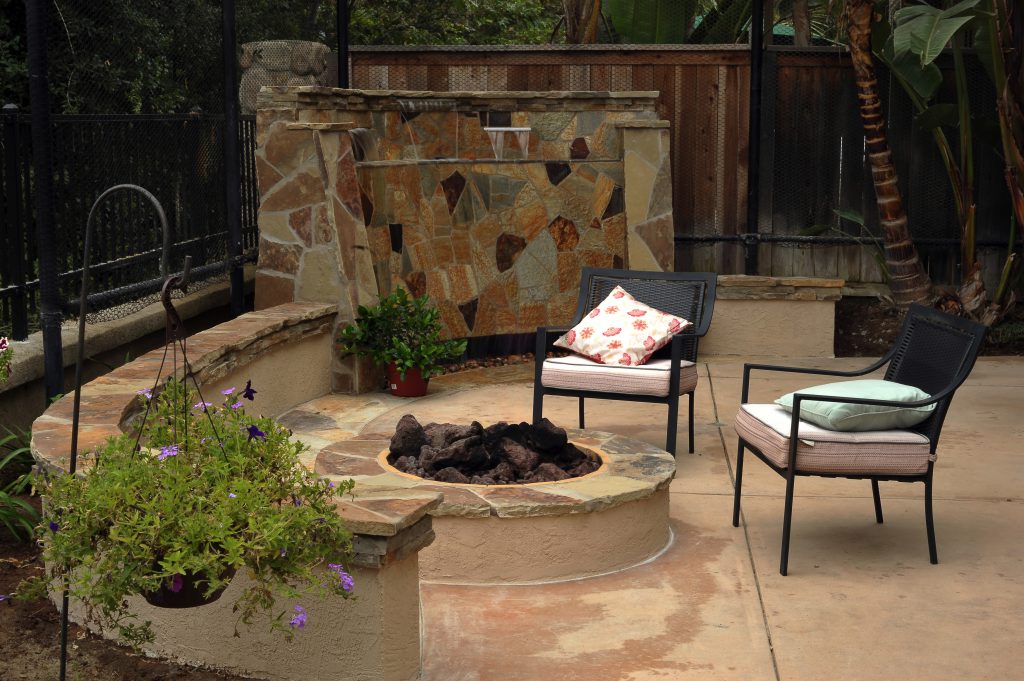
- Install a rain garden. Do you have problems with rainwater runoff, or want to camouflage an unattractive downspout area on your house? Are you concerned about the quality of lakes and streams in your area? Or, are you simply looking for a low-maintenance way to beautify your yard? A rain garden is an excellent solution to all three.
A rain garden is an area of your yard where rainwater is directed and allowed to sink naturally into the ground. It is a perfect alternative to a retention pond because it doesn’t breed mosquitos. Rain gardens also help the environment by reducing flooding, erosion, and surface water pollution, and by helping maintain the water table. Because of this, some cities now offer rebates to help cover the cost of installing a rain garden.
Most rain gardens use native plants that require little or no care. With careful plant selection they can be a beautiful addition to the landscape. This makes them an ideal backyard upgrade for busy people. As a bonus, rain gardens are a haven for butterflies and birds. Consider adding a garden bench to your rain garden so you can enjoy their antics!
- Add an outdoor entertainment area. Do you wish you had more space for entertaining? Expanding your living space into your backyard can be quite cost-effective compared to building an addition to your home. Outdoor spaces also lend themselves to parties and gatherings, especially if you include a fire ring or grill.
Your outdoor entertainment area can be as simple as an open patio with some attractive patio furniture and a nice grill. It can also be as elaborate as your budget and imagination allow. How about a pool, outdoor kitchen and bar, an outdoor fireplace, lighting to illuminate pathways and steps, a sandbox or child-sized table for the kids, or even a built-in flat-screen TV? The possibilities abound, and a good landscape professional can help you bring your ideas to life.
- Grow a potager garden. Leave it to the French to find a way to enjoy great food while still looking fabulous. “Potager” is French for edible, and a potager garden is an ornamental kitchen garden that provides a feast for the eyes as well as fresh, succulent produce for the table. Originating during the French Renaissance, these gardens combine vegetables and small fruits with flowers and herbs, and are carefully designed for beauty and aesthetics.
When designing your potager garden, think of it as a place to relax and enjoy life as well as grow food. Including arbors, winding paths, and outdoor furniture such as benches or a patio table and chairs will add to its inviting quality. How about a bird bath, sundial or gazing ball? Add a small fruit tree or two and train vining plants up trellises to add levels to your garden design. Don’t forget to plant lots of flowers and fragrant herbs in between your veggies!
Next time you look out at your boring backyard, don’t just sigh and turn away. Whether you are looking for a low-maintenance facelift for your yard, a place to entertain family and guests, or a beautiful source of fresh food for your table, imagine how your home life would change with an improved backyard — and then start planning how you will transform yours!
About the author:
Jessica Kyriakos is Brand Manager for Webcoat, Inc. in McAlester, OK. She has 15 years of experience in the site furnishing industry, which brought her to her current role at the company. Webcoat provides durable, economical and comfortable amenity designs to furnish your outdoor space.
Tags: backyard, hardscape, patio, potager garden, rain garden
5 Ways to Improve Storage and Organization in Your Home
It is extremely easy to get caught up in a cycle of disorganization. Most homes do not have adequate closet space, so storage is a major challenge. However, a few tips will help a home get more organized and become less messy.
1. Turn Toy Room Nightmares into a Dream Space
A child’s playroom is probably the messiest space in the house. Usually small toy pieces are everywhere. It is possible to create an organized place for a child to play. To maximize space, it is wise to net stuffed animals from the ceiling. This keeps them out of the way but within reach. Most parents opt for a toy box, but this rarely works. A child digs to the bottom and leaves behind a big mess. Instead, it is smart to invest in clear bins. Since a child can see the contents, there will be no need to disrupt everything at one time. Each container can be labeled as well. If a child is too young to read, the labels can be made of pictures.

2. Clothes for All Seasons
Most people have clothing that does not fit into the closet. There are numerous ways to organize a bedroom closet to make the most of every inch of space. Hanging organizers will work well for shoes and accessories, but an even better solution is a complete closet system. This includes drawers, cubby storage, and hanging bars that ensure everything has a dedicated place. It is important to avoid too many shelves. Even though they seem helpful, they take up precious space. Also, having them placed too high can make it difficult to remove and neatly stack items.

To keep things organized, it is important to group items according to color and style. For example, dress pants should be kept separate from jeans, and polo shirts should be in a different place than long sleeve dress shirts. Shoes should be neatly stacked in rows on the bottom of the closet.
Each season requires different types of clothes. It makes no sense to keep sweaters in the closet during the summer. Since space is limited, it becomes necessary to find an alternative place to keep them until winter. A great idea is to purchase tupperware containers that can slide under the bed. This is also a great place to keep comforters and sheets as well.
3. Entry Door Storage Solutions
When a person enters the home, he or she is likely to take off his or her shoes and jacket. It is important to have a place to hang and keep these items out of the way. With a large family, it is common to see piles of shoes all over the house. To hide the clutter and keep things neat, it is wise to create a space with built in hooks and cubbies. These pieces of furniture come pre-made, but it is also possible to build a custom piece that fits specific measurements. It is simple to gather a few cabinets, beadboard, and a shelf to assemble a simple place to sit, take off shoes, place them neatly, and hang coats, purses, and backpacks.
4. Organize the Kitchen
Kitchens are heavily used, so it is essential to keep things neatly tucked away for mealtime. To keep the pantry in order, it is essential to create a space that conveniently displays contents. Shelves, baskets, and drawers will keep things looking tidy and easy to find. Instead of organizing containers according to size, it is better to group them according to contents. For example, cans of soup and vegetables should be placed apart from snack foods.
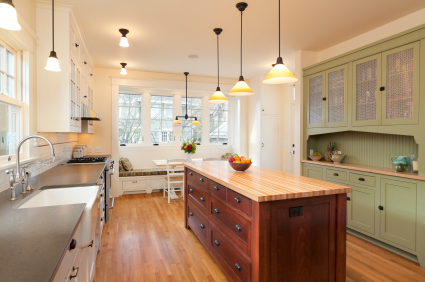
Besides storing food, the kitchen is filled with all sorts of pots, pans and other cooking devices. Since cupboards are usually filled with dishes and cups, it is important to find furniture that is functional and creates more storage. One of the smartest pieces of furniture for the kitchen is a mobile island. Not only can it be used for extra counter space to prepare food, it usually contains drawers and cabinets that can store extra items out of sight. Since it is not permanent, it can be moved anywhere. It is a great place to keep small appliances from cluttering the counter tops. Some larger kitchens have ornate hutches that add beauty to the room and also create a place for loose items. It is possible to find a piece that is made from wood for a traditional look or metal for a more modern feel.
5. Garage Junk
It seems that people store everything but cars in a garage. To clean up the space and make it more useful, there are certain tips to follow. A garage usually houses garden equipment, tools, and other junk that has no place in the house. Determining a functional garage layout is key to organization. Installing built-in cabinets and modular storage is a smart idea. These can house sporting equipment, gardening supplies, and holiday decorations. Cabinets should be sized appropriately and include mounted pegboards. This will make best use of the space and allow items to hang from the walls. Some people enjoy shelving units that are sturdy enough to store bulk items like pet foods and large containers of cleaning supplies. Adding a workbench against the wall will create a space for projects. Having a dedicated area will increase the odds of completing tasks before moving onto something else.
Home organization does not need to be complicated. The above ideas are just a few ways to declutter the area and effectively store things neatly. It creates a pleasant space that has increased function and helps a person become more productive.
Tags: garage, home organization, mobile island, storage, toy rooms, walk-in closet