The Primary Factors to Consider when Assessing Competing Home Addition Estimates

Expanding a home with an addition is a terrific way to offer a family more room in the house and improve the value of the property. Any home owner who is considering an addition on their home where a construction crew would be involved would need to research local contractors before making a choice.

Several issues may impact whether a particular contractor is right for the job. Smart home owners will want to consider every angle of the project before making their choice on competing estimates from contractors.

1. Reputation

A building contractor’s business thrives on happy customers, and one of the primary ways such professionals obtain additional work is through the recommendations of satisfied home owners. Asking friends or family who might have had work done by a local contractor about their experience is a good first step in determining whether the contractor will deliver.

The internet is another valuable resource for researching the reputation of a local contractor, but home owners should beware that what might be found on the internet regarding a contractor’s reputation might not always be accurate. Speaking to real-life clients of a contractor or building company will always be the most truthful way to determine a contractor’s reputation. The homeowner should also look for multiple reviews online as opposed to just one person’s review. Free review sources such as Google reviews and Yelp can be great sources for this.

2. Experience

The amount of time a particular contractor has been operating is a good indication of their reputation as any contractor who doesn’t perform well will suffer from a lack of new projects. Experience also showcases a contractor’s dedication to his profession, and the number of projects he might have completed that had similar goals as a client’s present request.

3. Price

Simply choosing the lowest cost estimate is never a good idea when it comes to home improvement projects and complicated installations like an addition to the home. The budget is often the biggest wildcard associated with a significant home improvement project, and will often be one of the determining factors regarding the choice a home owner makes.

Estimates that are too low reveal the inexperience of the contractor, while estimates that seem too high might be a more accurate representation of what the project may cost. A home owner might want to spend no more than a certain amount of money on a project, but sometimes what the home owner wants would cost much more.

4. Time

There are two considerations regarding time that every home owner should think about when choosing the right home estimate. One consideration will be the amount of time the contractor or building professional took to come to a decision on how long the project would take. No contractor worth his cost will ever offer an estimate over the phone. Good contractors always request an on-site investigation of the premises to be modified for accurate budgeting.

In addition, the completion time offered should also be under consideration as this timeframe might offer clues as to which contractor is telling the truth about how long it might take to finish a project. By comparing the estimates of time given from each of the contractors, it’s possible to come to an average timeframe and eliminate any estimate that seems suspiciously short when compared to the others.

When considering which bid to accept for a home addition, each of the preceding factors should be considered before any decisions are made. Speaking with each contractor or building professional more than once is recommended to get a feel for how each project may play out when the project gets underway. Careful decision-making regarding the contractor will be the best way to get a fabulous looking home addition.

How Long a Roof Replacement Should Take to be Completed

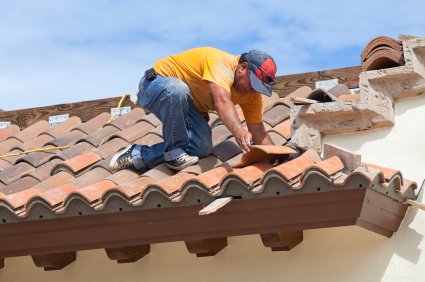
A strong roof on a home is one of the most critical elements of keeping the structure in good condition, and when problems occur, it’s vital to obtain the assistance of a professional roofer before any further damage to the home can happen. Home owners can go for years without fixing things like a broken cabinet or a faulty door inside their home, but a roof is far too essential to leave unattended.

iStock_000014182373XSmall

Different roofing jobs will have various timelines associated with them as far as how long the overall project might take. There are many circumstances that might impact the average time required to complete a roof replacement project.

Narrowing down the completion timeframe for a roof replacement will usually encompass a few different projects related to the overall project length and the actual time that the roofing company might spend on the roof making changes. A roof can actually be installed in many cases in just a few days on an average sized home that is not too architecturally complex, yet the overall process might take as long as a few months from start to finish.

From the time at which a problem is found until the roof is finally finished, a lot of things need to happen. Those projects include:

1. Inspection by the roofer and/or insurance company
2. Estimate of timeframe and cost from roofing company
3. Approval and funding from home insurance company
4. Acquisition of materials and scheduling
5. Roof repair and/or installation
6. Final paperwork for the insurance company

As long as there are no serious problems during the process, complete repair and replacement of a roof on a standard home would require a project length of a few months. The actual work on the house would be much shorter, however, and could be less than a week.

Additional elements that could lengthen the average time of completion could include:

1. The time of year

Roofing jobs should be scheduled during patterns of good weather although some roofing emergencies might require that a crew does some work during the rainy season or when it’s highly likely to snow.

It is possible to complete a roof replacement job in the dead of winter when there’s snow all over the ground, but the time table for the project is usually a few weeks longer than if it is accomplished in the summer.

2. Materials acquired for the new roof

Common materials for a new or replacement roof may include slate, composite or metal shingles, and the decision to utilize one of these roofing types will usually depend on how much a home owner wants to spend and how long they want the new roof to last. Other popular roofing materials may include clay, plastic, classic wood or simple asphalt.

Roofing materials like an asphalt roll might be installed quickly, but they will only last about a decade before needing replacement. Slate or Spanish tiles, on the other hand, may last over a century but will require longer installation time.

It’s also essential to consider that sometimes a roofing material is out of stock and may be back ordered. This could push back or extend the timeline of the project by a few weeks.

3. Size and complexity of the home or project area

It’s not a surprise to find out that a large home that has five thousand square feet inside it would probably have a much longer timeframe for roof replacement than a home that was just a thousand square feet.

As far as the shape of the house is concerned, sometimes the roof of a home will have nothing more than a single peak rising to the center without any depressed areas where the roof rises and falls. These types of roofs will usually offer the shortest timeline for completion. More complex architectural designs for the roof may require additional materials used to maintain the structural integrity of the building materials and work around impediments like chimneys.

4. Hidden problems and damage

It’s often possible to diagnose a problem in a roof by having it inspected by a roofing professional, but sometimes there is damage that isn’t immediately obvious or which doesn’t become apparent until the repair process has begun. In such circumstances, days or even weeks may be added to the project time frame.

Sometimes when a home owner has decided to have their roof replaced due to general aging and has not had to deal with an emergency, issues of wear and tear could enter into the project. Replacement of certain interior elements of the home could become necessary and would require additional construction personnel and time be added to the timeframe.