Rain and wind are not the only environmental factors that affect ideal painting conditions. Homeowners, contractors and handymen must contend with different humidity and temperature levels, too, during exterior projects. Painting under the right conditions can make the difference between a job well done and a redo. Read on to learn about the ideal circumstances for painting to avoid any unwanted issues.
How Temperature Affects Drying
Why does temperature matter? When it comes to painting a house, temperature is a huge factor in the way a fresh coat of paint will dry. Drying paint in temperatures that are too low or high could result in cracking and peeling. For example, extremely low temperatures can prevent fresh coats of paint from correctly drying because moisture within the formulation can actually freeze solid before it dries completely. On the other end of the spectrum, extremely hot temperatures can evaporate the moisture from within the paint faster than normal. This can cause the top layer to skin over before the layers underneath dry, which can produce cracking, blisters and other imperfections.
There are some rules of thumb to follow when it comes to different types of paint. Temperatures above 45 degrees Fahrenheit are recommended when using solvent or oil-based paints. Latex and acrylic paints dry much better in temperatures that exceed 50 degrees Fahrenheit. If temperatures dip, dew can form on surfaces and cause the water in the paint to evaporate too slowly. Some paints are now formulated to dry at lower temperatures, such as 35 degrees Fahrenheit. It’s vital to follow the instructions on paint containers, since each paint formula is designed to be used within specific temperature and humidity parameters.
How Humidity Affects Drying
When high-humidity conditions are combined with low temperatures, the protective qualities of paint may be compromised. Condensation can occur on the paint’s surface, which creates issues with the paint’s drying and adhesion. In some cases, high humidity can cause unsightly streaks or surfactant leaching, which is a brown or white discoloration on the top layer of the paint. Additionally, excess moisture in the air can be absorbed into wood surfaces and affect paint adhesion. This can result in bubbling or peeling paint.
Avoiding Problems
Be sure to check the weather forecast before starting any outdoor painting project. It’s also a good idea to monitor the temperature and humidity levels during painting projects. The best time to paint, depending on geography, would likely be early summer or fall. These seasons usually offer the best weather conditions, with minimal rain and fluctuations in temperature from day to night. This can ensure that the paint adheres smoothly and has a chance to dry and cure properly. Summer also tends to be the perfect time for painting since it is typically dry and warm. Aim to paint when you have a clear, low humidity day with the ideal temperatures falling around 60 and 85 degrees Fahrenheit.
Sticking to these guidelines can help you end up with a flawless finish. Before you get started on your next painting project, take a look at the accompanying infographic to review how temperature and humidity can affect a fresh coat of paint.
Tags: bathroom remodeling, contemporary, home decor, home design, home improvement, paint, repair











 The cold months of winter are here, and all you can think about while you’re at work is to come home to your cozy sanctuary. A long hot shower, a hot chocolate, and a good movie can make you release all that stress accumulated throughout the day. But, although nothing compares to the comfort of your own home, lately, you felt like there’s something about your it that needs improving. You either don’t like the elements of your home anymore, or you just feel the need to add something new, for your own pleasure. Cozy doesn’t have the same meaning for everyone, it depends on how you want to improve your home’s comfort. However, cozy induces feelings of warmth, relaxation, and comfort. Do you wonder what could bring more comfort to your home? Maybe reorganizing your space? Bringing some new decorations? There are tons of interesting ways you can make your home feel so cozy and welcoming. In this article, you’ll find 7 steps to make your home cozier.
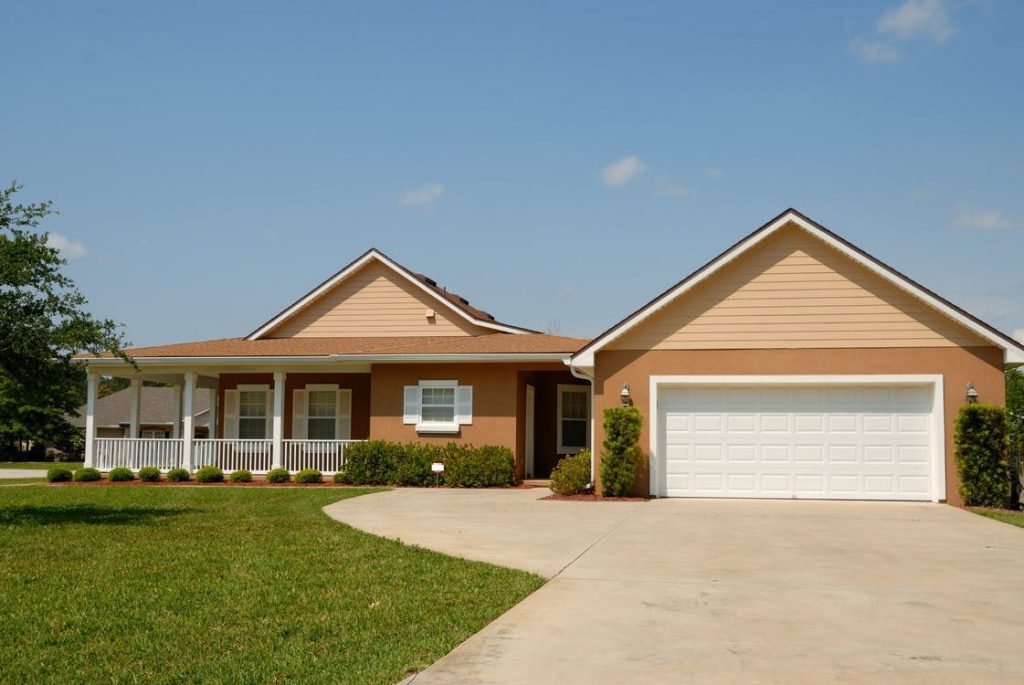






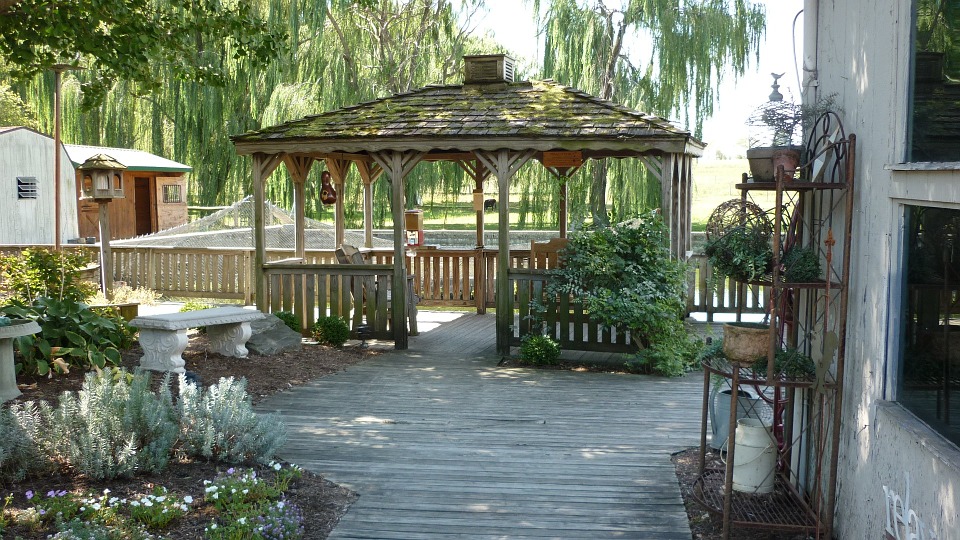
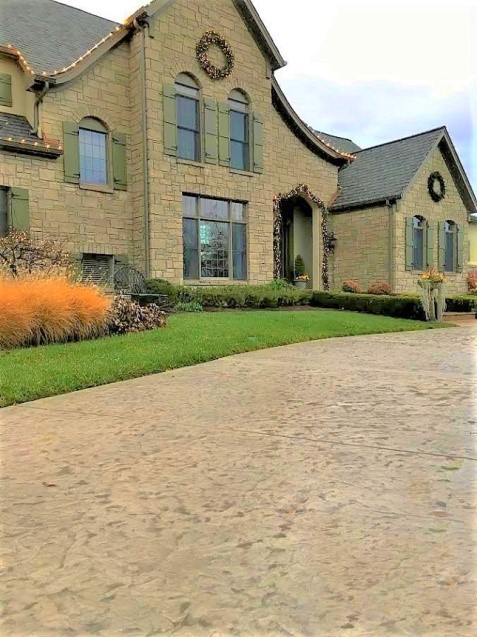
 If you’re hesitant to stamp the entire driveway with a pattern or design, you can get a very attractive appearance for your driveways by stamping only a portion of the area, more commonly the border of the driveway. With this technique, you choose a design for the border of the driveway like a geometric pattern or a faux stone and either apply a simpler pattern to the middle or keep it completely plain. The contrast between the border and the middle of the driveway will look elegant and not overly done.
 Stamped concrete is capable of mimicking other flooring materials for driveways, such as stone. If you want the aesthetic value of stones like slate and cobblestone but the durability, cost, and longevity of concrete, stamped concrete is capable of delivering that. For faux stone designs, you can have them laid out straight or patterned in a fan effect for a more stylish stamping.
 If you’re interested in stamped concrete driveways for its versatility, you may be interested in getting more unique designs on your driveway. For example, you may be more inclined to get a large-scale pattern or a large design like a specific image like a sunburst or compass. This can likewise be done with concrete stamping.
 If you love the look a brick driveway but are concerned about its cost and need for constant maintenance, you can achieve a “brick” driveway with stamped concrete. Choose the kind of brick you want to emulate for your driveway and leave the rest to your contractor to get the best results possible.