
Remodeling
The Average Lifespan of the Most Commonly Used Roofing Materials
Before replacing a roof, it pays to do plenty of research. Like most people, you probably want a roof that will last for decades. It’s also nice to have one that requires little to no maintenance. Several materials are popularly used on roofs in the United States. Some of them are a lot more durable than others. Exceptionally durable materials tend to be more expensive, but cost is not always a reflection of quality because some materials work better under certain circumstances than others. What works for a home in a hot, dry climate may not work for a home in a cold, wet one.
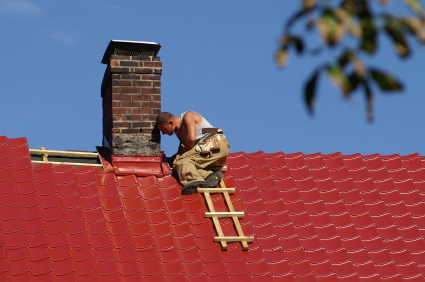
Factors that Affect the Longevity of a Roof
The material out of which a roof is made has the biggest impact on its longevity. However, other factors come into play as well. Exposure to the sun plays a strong role, and the slope of the roof has a major effect as well. The type of maintenance that a roof receives affects its longevity too. Even when a roof is made out of virtually maintenance-free materials, occasional work is necessary to ensure that it lasts as long as possible.
Popular Roofing Materials and Their Average Lifespans
You shouldn’t base your decision solely on the lifespan of a given roofing material, but this information can help you make the most informed selection possible.
- Asphalt Shingles – Without a doubt, asphalt shingles are the most popular roofing materials in the United States. On average, this roofing material lasts anywhere from 15 to 30 years. The reason for the wide range involves climate. In colder climates, asphalt shingles may last 25 years or longer; in warmer, more humid climate, they may only last 12 to 14 years. These shingles have petroleum bases that dry out over time, so they definitely don’t last forever.
- Composite – Composite shingles, or composition shingles, are popular for a variety of reasons. Some of them are primarily made out of asphalt, but there are fiberglass-based options as well. Many composite shingles also include recycled materials, so they can be eco-friendly options. While they require very little maintenance and are quite adaptable, they don’t have great lifespans. On average, you can expect a roof made out of composite shingles to last about 20 years. If you live in an area that regularly experiences high winds, composite shingles are not a good option.
- Metal – Metal roofs have experienced a surge in popularity in recent years. In addition to having extremely long lifespans, these roofs dramatically enhance the energy efficiency of homes. Standing-seam metal roofs, which are the most popular, can last 75 to 100 years. Metal roofs are resistant to fire, insects and rot. Very little maintenance is needed, but it should still be performed. Metal roofs should be inspected periodically, and they should be scraped and repainted with rust-resistant paint when needed. As long as this basic maintenance is performed, a roof like this should serve you well for a long time to come.
- Tile – Most people are drawn to tile roofs for their beauty. Tile is most commonly used on homes that have Spanish or Italian architecture. In addition to looking great, tile roofs can last a really long time. Some have lifespans of up to 100 years. Unfortunately, tiles are often installed on mortar bed systems, which makes them susceptible to slippage. In that case, this type of roof may only last about 10 years. Therefore, exceptional installation is critical. Because tiles are often made out of terra cotta and other dense materials, they tend to be heavy. Extra support is often needed. Tiles are also fragile, which presents a problem when performing maintenance on a roof.
- Slate – For a natural, stunning look, it’s tough to beat slate. Very fine slivers of stone are used to create these roofs, which have lifespans of 45 to 75 years when they are properly maintained. Like tile, slate can be very fragile, and it can require extra support due to its weight. The thickness and density of slate tiles affect their longevity. Slate roofs generally require very little maintenance. However, the main thing that affects their longevity is failure of fasteners and nails. These components should be inspected regularly and replaced promptly at the first sign of weakness.
- Wood – Estimating the lifespan of a wood roof isn’t easy because so many factors affect its durability. The slope of the roof, the amount of sun exposure it receives and the quality of the maintenance that’s performed all have an impact. Furthermore, the width, thickness and cut of the wood affect its longevity as well. When properly treated, installed and maintained, the average wood roof should last 15 to 30 years. Out of all of the available options, cedar is the best choice.
- Fiberglass – Homeowners love the versatility and style of fiberglass roofs. This option is sold in panels and sheets, which makes it easy to achieve the perfect look and protection. The fiberglass that’s used is glazed to make it exceptionally waterproof. Fiberglass is also naturally shatterproof, so it’s a strong, durable choice. The best fiberglass roofs are designed to be resistant to rot, mildew and rust. At the high end of the scale, a fiberglass roof should last around 30 years. As with other roofing materials, maintenance and design have major impacts on the lifespan of this type of roof.
- Concrete – People are often surprised to learn that concrete can be used as a roofing material. A concrete roof doesn’t involve heavy slabs of material. Today’s best options use fiber-reinforced cement to achieve optimal style and durability. When mixed with cellulose, concrete can be crafted to look like wood shakes. Concrete roofs can also be used to replicate tiles and other popular roofing materials. Depending on the design of the roof and its underlying materials, concrete shingles or panels can last up to 50 years. This type of roofing material is virtually maintenance-free, and it’s resistant to rot, insects and fire.
- Rubber – Although it’s infrequently used, rubber is a viable roofing material in many situations. Most people turn to it for its eco-friendliness, but it has other benefits too. A rubber roof offers exceptional energy efficiency. Shingled rubber roofs are available, but whole-roof designs, which are custom-created at the factory, are much better options. These rubber roofs are seamless, so they are exceptionally leak-proof and can last up to 40 years. Rubber roofs are also flexible and lightweight, and they are available in a variety of colors and designs.
Before considering any roofing materials in earnest, give some thought to the climate where you house is located. Is it usually wet or dry? Is it usually sunny or cloudy? Would you describe it as a warm climate or a cold one? These factors will all help you zero in on the ideal roofing material. From there, weigh the pros and cons of the top options, and remember that cost doesn’t necessarily reflect quality. Regardless of the material that’s used, first-rate installation is vital. To ensure that your roof lasts as long as possible, make sure that it is inspected and serviced regularly.
Tags: asphalt shingles, average lifespan, clay tiles, composite shingles, concrete tiles, fiberglass shingles, metal roofing, roofing, roofing materials, rubber roofing, shingles, slate shingles, steel roofing, wood shingles










Bathroom Remodeling and Design Ideas and Pictures
As we love to do here at HomeOwnerIdeas.com we created this post for the homeowners who love to visualize design and remodeling ideas. Below you will find a wide variety of modern, contemporary, luxury, vintage etc. bathroom pictures that you can feel free to share with your remodeling contractor to get ideas for your new bathroom redesign. Enjoy!
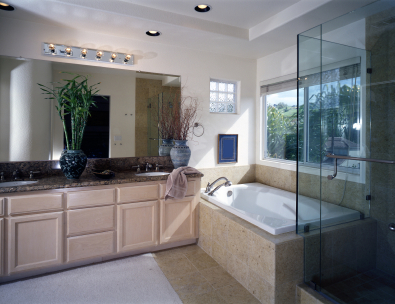
The traditional modern bathroom these days often looks like the picture below. To best utilize space a glass shower is attached to a sunken bath tub. This bathroom also utilizes natural light. Tile, granite and wood cabinets tie the luxury feel together here.
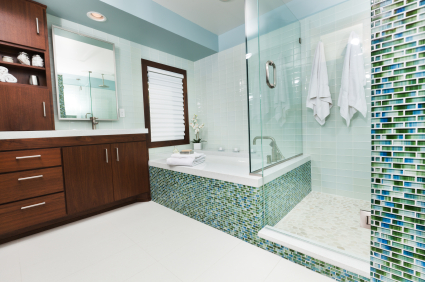
In this next modern bathroom design the homeowners wanted to incorporate more color in to the actual design, which is often most easy to do through the use of small glass or ceramic tiles.
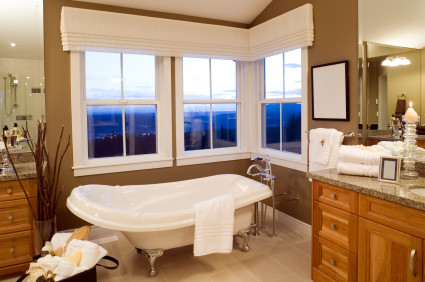
The luxury bathroom below uses every ounce of available natural light but also incorporates uniquely designed stainless steel raised plumbing features, custom window coverings, granite countertops, wood cabinetry and medium tile flooring.
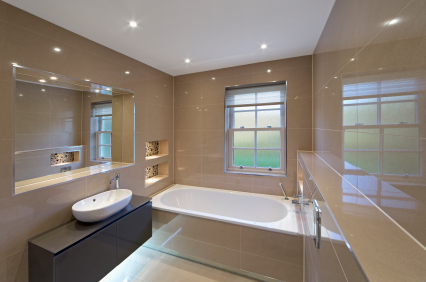
The next bathroom picture shows a design to make a smaller space look much larger. Carefully placed recessed lighting echoes off of the full tile walls in this bathroom while mixing in the natural light giving the bathroom an illusion of being much larger than it actually is.
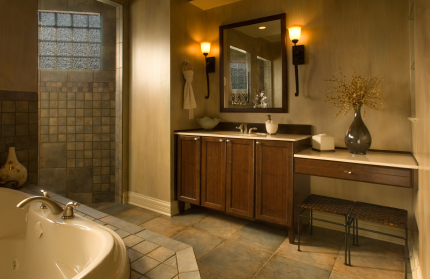
The following bathroom has a classic “natural look”. Large and small stone faced tile, natural wood cabinets and earthy colors complete the look for this bathroom.
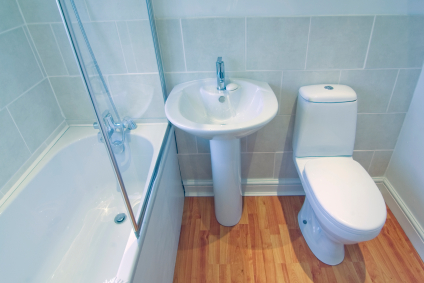
Sometimes in cases like city condos or row houses, a homeowner only has a small space to work with. In this very small bathroom below you see a small bathroom still transformed into a luxury setting. Large tile can give the appearance of a larger space and a pedestal sink is always the best bet. The modern, narrow toilet also allows for greater floor space.
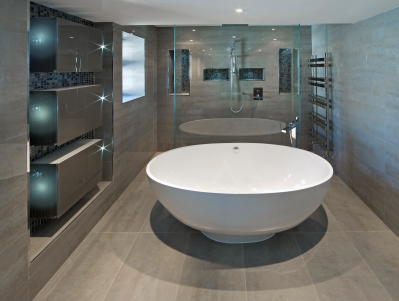
This ultra-modern, super-contemporary bathroom has really been designed to “wow”. The large oval bathtub is a rare but stunning focal point while just past the tub is a walk-in shower with a single glass wall. To complete the contemporary look, the remodel included extra-large, over-sized tile on the floors and walls.
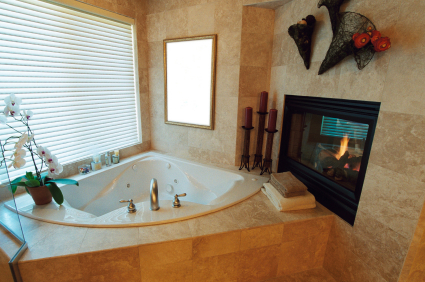
Becoming more common these days is the tranquility of adding a fireplace to your bathroom. Nothing accentuates the peacefulness of a jacuzzi tub like a gas fireplace.
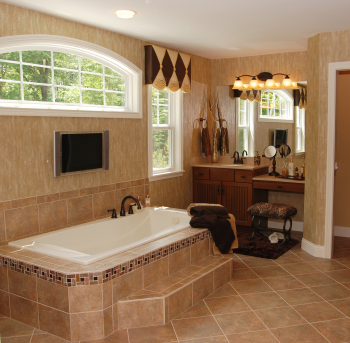
Lately, many bathrooms include flat screen televisions. This country style bathroom seems to truly be a place to spend time.
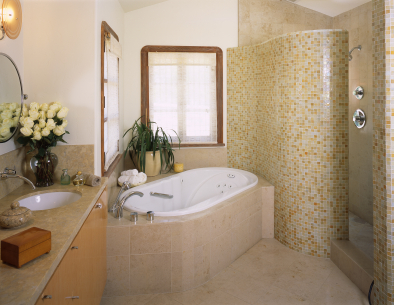
The bathroom picture below is quite a unique and artistic idea indeed. Natural but bright coloring and a wide open design with cabin shower mixed together with large tiles, small tiles, stone tiles and glass tiles.

This bathroom features a sink that stems from the wall, small tile design and a large walk-in shower.
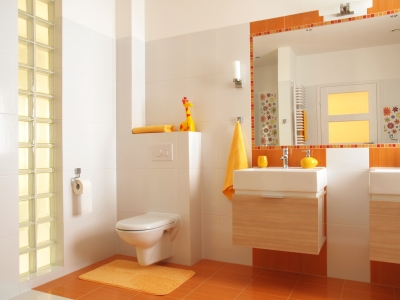
This next picture gives the homeowners looking for contemporary children’s bathroom ideas plenty to think about. A citrus color designed is tied together by the orange tile.
Finally we finish with an ultra-luxurious white toned bathroom. This space features custom cabinets, lots of marble and large jacuzzi tub. Mix in the large window and the small window and this bathroom will truly wake you up in the morning.
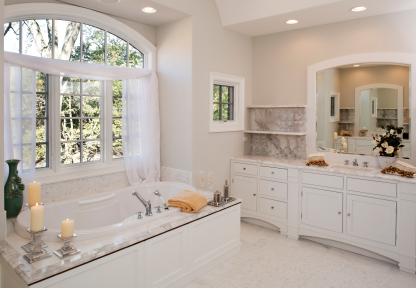
We hope you enjoyed our collection of bathroom design and remodeling pictures and ideas. If you are looking for a contractor for your renovation project, use the form on the upper right hand corner of this page. Best of luck with your new bathroom!
Tags: bath tub, cabinet ideas, cabinets, ceramic tile, contemporary, countertops, gas fireplace, glass tile, granite, marble, natural light, natural stone, oval bathtub, pedestal sink, roman bathtub, small bathroom, tile, walk-in shower
The Average Cost of a Home Interior Paint Job
Painting a room is a quick and cost-efficient way to give any home a fresh, updated look. However, the job can be complicated for large houses or oddly shaped rooms. If you want to revive the appearance of your home with a new paint job, you may benefit from hiring a professional. There are various factors that determine how much a professional will charge for any interior paint job.
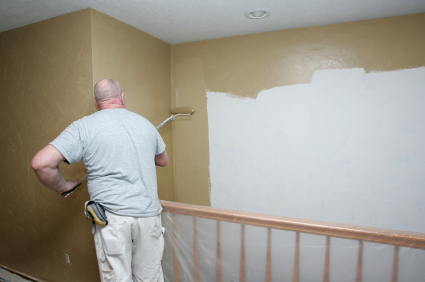
When comparing the fees of painters, it’s important to understand what is covered. In most cases, the paint and other supplies are included in the estimate. You may be able to request certain supplies, such as better quality paint rollers, but you will have to pay more. Some professional painters also allow the customer to choose the paint brand. This will affect your overall cost as well.
One of the main considerations when calculating costs is the size of the room being painted. Many painters charge per square foot. You may find a professional who charges a flat hourly rate, but most will present you with a bid that is equal to their base fee. If you have an exceptionally large room to be painted, or if the room has high ceilings, you may be charged on the higher end of the scale.
The cost of a paint gallon varies depending on the quality of the product. Expect to pay between $10 and $50 per gallon. A professional paint job typically includes two coats of paint for each area. If you select a less expensive brand, it may be thinner and will need an additional coat. The painter may need to use a primer as well. Primers are also often necessary for covering stains or any existing paint that is exceptionally dark.
Before you obtain any estimates for your interior paint job, you will need to know the square footage of the rooms being painted. This will give you a rough idea of what to expect. The cost per square foot can range from $1.25 to $2.75. On average, you will pay between $200 and $400 per room. Some professionals offer discounts on additional rooms, so it pays to have several jobs handled by one person.
Experienced painters will perform prep work prior to painting any room. This will affect your overall cost. You can do the preparations yourself, but a professional will likely do a more thorough job. Preparations include moving or covering furniture, taping any molding and removing small objects from the work area. For an average size room, you will generally pay $200 to $400 more for prep work.
Seasoned professionals typically supply the drop cloths, tape, brushes, rollers and other materials. They will include the prices for these items in their estimates. However, if you are expected to pay for the supplies separately, it can add up to $50 on your total costs. When getting any estimates, be sure to ask the painter to clearly break down every fee so that you know what you’re paying for.
Where you live may affect the price of the interior paint project as well. The cost of living in each area determines what many professionals charge. Living in a larger city may mean higher costs. In addition to location, the extra labor required will affect final fees. High ceilings, wainscoting, baseboards, crown molding and other detail work may require an additional fee. The price can go as high as $200 per room.
You may be able to get certain discounts to lower your out-of-pocket expenses. If you hire a painter during the winter or late fall, you may see significant savings. Some painters also offer a price reduction if you agree to have your project completed in between other jobs. You may also save money by hiring a novice who charges by the hour and allows you to purchase all the materials. Hourly rates range from $25 to $50.
Before hiring anyone, get several estimates and request references. You may also inquire about seeing the painter’s work. Ask what types of paint and brushes will be used as well. If you are not satisfied with the quality of the paint, speak up. Cheaper paints usually don’t last as long as high quality products, which means you may need to repaint sooner than expected. To further protect your wallet, ensure that the painter is licensed and insured in your state.
Tags: average cost, interior, paint
The Average Cost of a New Fence with Installation
As the old adage goes, good fencing makes good neighbors.Now, there are other ways to deal with problematic neighbors – as this guide will tell you, but for those who are looking for a new fence for more organic, or aesthetic reasons, this post will help you sort out the costs that are associated with that.
Having an excellent fence installed can go a long way towards keeping your property secure and preventing issues with trespassing, misconduct and vandalism. Getting a new fence, however, can be a significant expense, one that includes the cost of the fence itself and the installation. That cost varies widely depending on the length and style of your fence, the materials you intend to use and your choice of installation professional.
One of the most popular materials used to construct fences is wood. Depending on the type and grade of wood used, wood fencing can range from very inexpensive to very expensive. All wood fences share some degree of vulnerability to the elements, certain pests and fire, although pressure treating and certain coatings can mitigate that vulnerability somewhat. Wood also requires some degree of maintenance to stay attractive and functional. Nevertheless, many homeowners opt for wooden fencing because of its classic appearance.
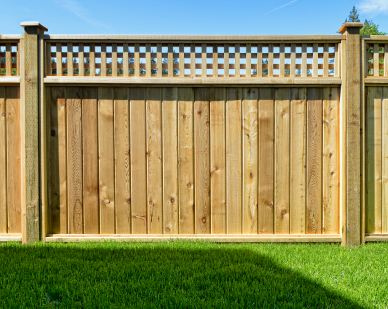
Common grades of wood used in fencing include clear wood, which has almost no flaws or imperfections; premium or #1 grade, which contains only small imperfections such as knots; standard or #2 grade and utility grade. Higher-grade wood is more expensive, of course, but the lack of imperfections can be aesthetically pleasing. It is worth noting, however, that many homeowners actually prefer the rustic appearance of lower-grade wood. Furthermore, if the fence is going to be painted, the presence or absence of surface imperfections is somewhat moot.
Vinyl fencing is growing in popularity because it is durable and requires almost no maintenance. Because it is the same color all the way through, it requires no painting or staining, and it maintains its new appearance for quite some time. Vinyl is available in a wide range of heights and styles and has few finish imperfections. However, it can also be more expensive than wood or metal.
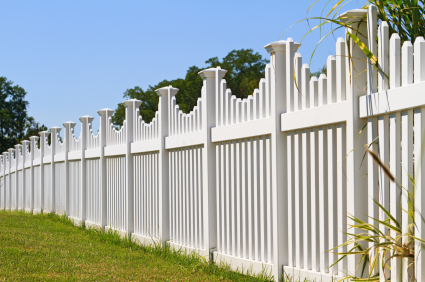
Several metal fencing options are available, ranging from aluminum to wrought iron. Aluminum is a fairly inexpensive, lightweight and versatile material available in many colors, heights and styles. It can be attached to many different types of posts, including rock, and is excellent for decorative or boundary fencing. Perhaps the biggest advantage of aluminum fencing is that it is impervious to rust and tarnishing, which means maintenance is almost completely non-existant.
For those who can afford it, classic wrought iron fencing is an excellent option. Although it is a metal, wrought iron has an almost wood-like grain because of its low carbon content. The most common types of wrought iron fencing are the Essex fence, which has an ornate, noble appearance, and the somewhat simpler Concord fence. Either type of wrought iron fencing is fairly expensive to purchase and install, but fortunately it requires little maintenance once it is in place.
The cost of fencing also depends on the style of fencing to be used. Privacy fences, which are essentially solid barriers, tend to be relatively expensive because they require a great deal of material. Three-rail fencing is often somewhat cheaper, though it does not provide as much privacy. The classic picket fence tends to be even more expensive than privacy fencing.
Average Fence Costs and Variables
With all of these options available, the cost of fencing varies widely depending on the material, style and length of the fence. On average, having a fence constructed and installed out of basic materials costs about $13 per linear foot, of which about $8 is for the fencing itself and about $5 is for installation. Mid-range fencing averages around $16 per linear foot, including about $10 for materials and $6 for installation. High-end fencing can be $19 or more per linear foot, with about $12 per foot for materials and another $7 for the installation. The actual cost of fencing varies widely around those numbers, of course: Market forces govern the cost of materials, and installation costs tend to be higher in affluent and heavily populated areas.
Since installation represents a huge portion of the cost of new fencing, up to 50 percent in some areas, it is always good to look for ways to reduce that cost. For wood fencing, consider hiring a carpenter to do the installation instead of paying extra for a specialized fencing contractor. Just make sure that the carpenter has prior experience working with wooding fencing. Consider taking care of some of the extra costs by removing existing fencing yourself. If you have the time and hands-on aptitude to do it well, you can save thousands by installing your own wood fencing.
Tags: average cost, fence, vinyl, wood, wrought iron
The Average Cost of New Gutter Replacement
Good gutters play a significant role in the maintenance of any home because they direct water from rainfall away from the house. Without properly functioning gutters, your home’s walls or foundations may be at risk, and fixing that water damage can be extremely expensive. Many gutter issues can be repaired, of course, but to deal with really extensive damage you may find it more cost-effective to replace your gutters entirely. The cost of doing so depends primarily on the materials and the length required.

The least expensive of all gutters are made from vinyl materials. Good vinyl gutters consist of PVC plastic, which is durable, resistant to denting and corrosion and easy to install. Furthermore, plastic is the same color from top to bottom, which means scratches and dings won’t stand out as they do on metal. The danger of vinyl comes from very cheap versions of the material, which are thin, brittle and highly susceptible to extreme cold. Taking materials and labor into account, vinyl gutters tend to cost between three and six dollars per linear foot, although the better quality materials tend to be in the upper portion of that range.
The mid-range material option is steel, which is perhaps the most durable of all metal gutter materials. Steel gutters have twice the tensile strength of aluminum and stand up much better under the weight of falling objects and other physical stress, making them particularly good choices in climates that get heavy snow or strong winds. Steel also has low rates of thermal movement and is less vulnerable to deforming. However, steel is heavy, which means the installers must cut the gutters into smaller sections that are easier to lift. Many homeowners also think steel gutters are less aesthetically pleasing than other types. Cheaper galvanized steel gutters tend to cost between four and eight dollars per linear foot; stainless steel is substantially more expensive at 15 to 20 dollars.
Another popular gutter material is aluminum, a lightweight and corrosion-resistant metal that is easy to cut and therefore easy to install. Professionally installed aluminum gutters are thick enough to be fairly durable, but the material still has several drawbacks. Aluminum deforms easily under the weight of falling objects or ladders and tends to expand and contract when exposed to extreme temperatures. Over time, the gutters can even pull away from the roof, letting water leak down the sides of the house. The cost of buying and installing new aluminum gutters tends to run from 10 to 15 dollars per linear foot.
Known in the industry as exotic materials, copper and zinc are gaining popularity among homeowners for aesthetic reasons. Blue-gray zinc gutters are generally considered attractive and blend well with zinc or slate roofing. However, they are somewhat vulnerable to thermal expansion and contraction and are difficult to solder, which can drive up the cost of installation and future repairs. Zinc tends to cost between 12 and 17 dollars per linear foot, depending on the market. However, seamless zinc is quite rare and can be much more expensive.
At the very top of the price range are copper gutters, which are impressively durable and never need to be painted. Depending on the climate, copper gutters tend to appear either green or brown, which can have a huge impact on a home’s aesthetic appeal and thus its resale price. The cost is high, however, as copper is an expensive metal that requires specialty installation to make sure nothing is wasted. Getting new copper gutters usually costs between 25 and 30 dollars per linear foot.
Actual Average Gutter Replacement Costs
The overall cost of new gutter replacement, then, depends on both the materials used and the overall linear footage to be replaced. Most homes need between 120 and 250 feet of gutters, depending on their size and the humber of stories. As such, replacement can cost as little as $500 for vinyl gutters on smaller homes and as much as $7500 or more for copper gutters on larger homes. There are relatively few additional costs, although removing the existing gutters can cost several hundred dollars for large homes.
When is comes to choosing new gutters for replacement, the cost of materials and installation is one of the biggest things to consider. Although weather, climate and other local factors play a role, generally the best policy is to pick the most durable material you can currently afford. Getting gutters that are resistant to damage may cost you more now, but avoiding future repairs will allow you to recoup that cost over time.

Tags: average cost, gutters, replacement
Kitchen Remodeling Ideas and Pictures
If you are coming up on a kitchen remodel or renovation and you are looking for some great designs and ideas to incorporate into your plans, have a look below. We have put together a collection of kitchen pictures that you can then use to share with your builder. Use the form on the right to get in touch with a local top rated kitchen remodeling company if you have yet to take that step. We hope you enjoy these great kitchen ideas!!
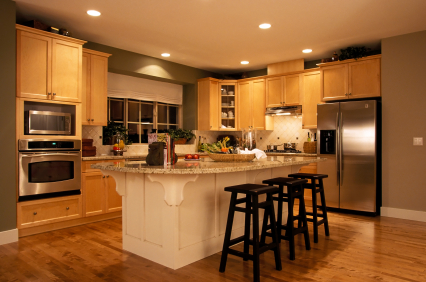
Here is a modern traditional kitchen. Notice the island which mixes white into a otherwise wood look.
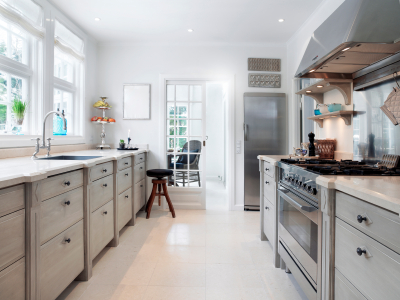
The long and narrow kitchen below uses a great deal of white colors to accentuate the natural light. The mix of stainless steel appliances and antique finished cabinets is more common in kitchen remodeling plans lately.
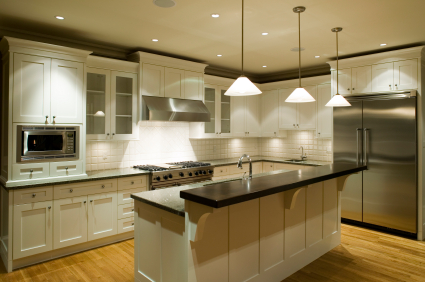
The kitchen below also incorporates a great deal of white that blends with the stainless steel appliances. However, this kitchen is contemporary / modern because of the cabinets and lighting.
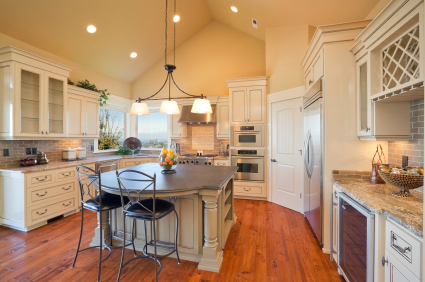
This luxury kitchen below is designed to accentuate the vaulted ceiling. The built in wine space on the right includes a wine rack above and wine cooler below. Glass cabinetry and classic lighting and chairs give this kitchen a unique, sophisticated look.
Below is a bright, modern country style kitchen that features contrasting colors and a stand out kitchen island.
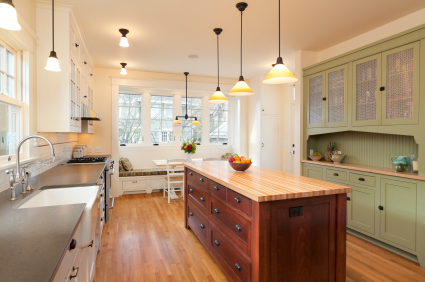
To contrast the kitchen above, this pic below shows a modern city style kitchen. This type of kitchen is great for a condo in city highrise. True stainless steel with dark cabinets and white oversized tile flooring, this kitchen is perfect for city-slickers.
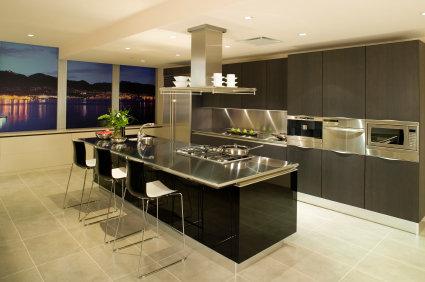
Many people these days are building their stovetops into their island. This usually comes with an exhaust fan directly above the cooking unit which can often be a centerpiece of the kitchen.
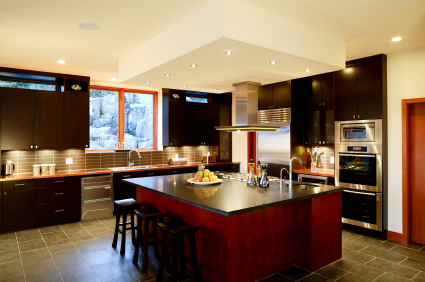
Some kitchens feature a backsplash that is worth building around. In this case, the backsplash sets the look of the kitchen and gives is a country and comfortable feel.

This kitchen is designed to accentuate the eccentric vaulted ceiling.
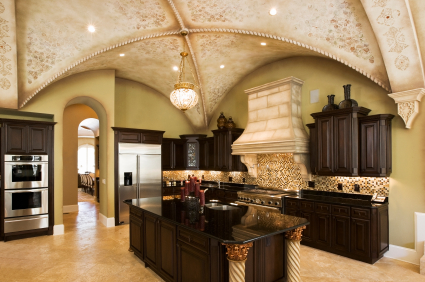
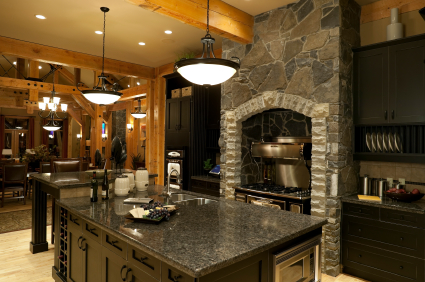
This kitchen exudes a look and feel of a rustic cabin in the woods.
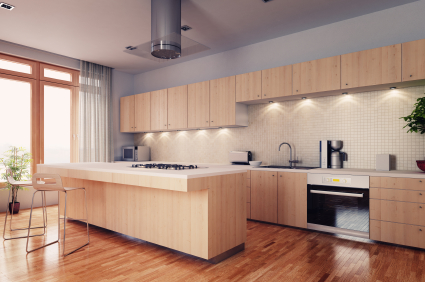
Here is a modern version of the 1950’s kitchen. The use of light wood and the general color scheme give it the 1950’s style look while the modern sleek appliances and contemporary exhaust fan bring it in to the future.
We hope you enjoyed our collection of kitchen pictures and ideas!
Tags: cabinets, contemporary, countertops, glass cabinets, granite, granite countertops, green cabinets, hardwood flooring, kitchen, kitchen cabinet pictures, natural stone, tile, wood
The Pros and Cons of Terracotta Roofing Tiles for Your Home
Terracotta or fired clay tile has been used as a roofing material for thousands of years. Tiles were used in the Bronze Age in ancient Greece as early as 2500 B.C., in ancient Middle Eastern civilizations and in China in the Neolithic period approximately 10,000 years ago. Terracotta tile was commonly used as a roofing material by the ancient Greeks and Romans.
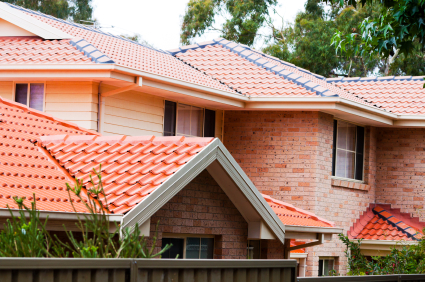
Tiles have been used as roofing on buildings in Europe from Roman times to the present. In some European cities like London, fired clay tiles were required because of their fireproof qualities. Early use of clay roof tiles in the United States has been documented at Jamestown and the settlement of Roanoke Island in 1585. Terracotta tiles were used on Spanish missions throughout Florida and the western states. Terracotta tiles are associated with specific architectural styles like Spanish Mission and Italianate Villa, but complement almost any building style.
Benefits of Terracotta Roof Tiles
Terracotta clay roof tiles are attractive, impermeable and durable. Terracotta is a natural material, made from clay that is fired at a high temperature until it vitrifies or fuses. Vitrification creates a hard, waterproof surface that withstands rain, snow, cycles of freezing and thawing and wears well in coastal areas with salt air. They are fireproof, last up to 100 years or more and are almost maintenance-free. Because they are made from clay, terracotta tiles are easy to recycle and do not harm the environment.
Clay roof tiles are traditionally red, which is a moderately reflective color. Light-colored roofs, also called cool roofs, have higher reflectance and emissivity than dark-colored roofs. More than 90 percent of the roofs in the United States are of dark-colored materials which are low-reflectance and can reach temperatures of 150 to 190 degrees F. Cool roofs stay cooler, sometimes as much as 70 degrees cooler than a dark-colored roof, resulting in lower energy costs and more comfortable building interiors.
With the interest in saving energy and using more environmentally sustainable building techniques, manufacturers have developed fired clay tiles that achieve higher reflectivity and emissivity indices. These tiles, available in many colors including the traditional red-orange terracotta, achieve cool roof values. Several manufacturers produce clay tiles that meet Energy Star specifications.
Clay tiles are made in three grades according to American Society for Testing and Materials (ASTM) specifications. Grade 1 tiles withstand severe freeze-thaw conditions and are not porous. They can be used anywhere in the United States. Grade 2 tiles withstand moderate freeze-thaw cycles and are less water-resistant. Grade 3 tiles are more permeable and may flake in freeze-thaw cycles. Grade 3 tiles are recommended for areas with mild climates like Florida and southern California.
ASTM sets values for transverse breaking strength for tiles of different profiles or curvatures. These values correlate with the ability of a tile to withstand stresses including severe weather, hail and handling and installation.
Some manufacturers apply glaze to tiles which adds color and additional surface protection. Glazed tiles are often untreated on the underside which reduces weight, expense in manufacture and allows the tile to breathe and expel moisture from the untreated surface. Many manufacturers provide guarantees against color fading for a specified number of years.
Terracotta tiles are available in several shapes that give a unique look to the roof architecture. There are several interlocking systems that ensure that the tiles protect the roof and remain in place. Each system has a required amount of overlap that connects tiles on either side, above and below to prevent moisture from seeping between the tiles.
Mission clay tiles, also called Barrel tiles and S-curved tiles, have a highly rounded curve which gives the traditional look to Spanish style buildings. Flat clay tiles, also called English Shingle or Closed Shingle, are used on several styles of buildings. Flat pan tiles with curved cover tiles were used on classic Doric order buildings like those in the Acropolis at Athens.
Disadvantages of Terracotta Roof Tiles
Installation of clay tiles requires experienced, trained contractors. Clay tiles are more difficult to install than other types of roof materials and must be properly installed to withstand rain, severe weather and cycles of freezing and thawing. Manufacturers recommend horizontal and vertical overlap values to ensure that water does not penetrate between the tiles. Tiles must be properly anchored to flashings and eaves to protect underlying roof material.
If clay roof tiles leak, the underlying roof structure can be damaged. Leaks can travel beyond the source of the breakage or gap, so when replacing tiles or repairing leaks it is important to examine adjacent areas.
Terracotta tiles are breakable. Once installed, tiles should be walked on with care. If roof access is required, tiles should be removed or boards placed across a span of tiles to distribute weight. The most common reason for breakage is from falling tree limbs.
Clay tile is not recommended for low-pitch roofs. Clay roof tiles can be heavy, so must have good roof and wall support. Some manufacturers offer light-weight clay tiles that weigh less than 600 pounds per square in compliance with many building code requirements for reroofing.
Costs can increase depending on the distance tiles are shipped from the manufacturing source to the consumer.
Tags: roofing, roofing materials, shingles, terracotta, tile
The Most Common Types of Roofing Materials in the Pacific Northwest and Why
Since a roof serves to keep out the elements and protect the house below, the choice of roofing materials varies heavily from region to region across North America. In the Pacific Northwest, homeowners need to deal with heavy rainfall and very high humidity levels, so every roof needs to be water-resistant. Choosing the right materials is extremely important because water damage can cost tens or even hundreds of thousands of dollars to repair. Conversely, a roof that drains well and resists water damage can stay in place for a long time before needing replacement.
Probably the most common roofing material used in the Pacific Northwest today is asphalt. Custom-designed asphalt shingles can closely imitate the appearance of wood, ceramic, slate or metal shingles at a significantly lower cost, and the material is naturally durable and resistant to water and heat. Still, because asphalt is a porous material, these shingles are somewhat susceptible to mold or algae growth and require a degree of maintenance. Furthermore, many home buyers prefer the natural appearance of wooden shingles, so opting for asphalt can reduce the sale value of the home. Generally speaking, an asphalt roof will last about 20 to 30 years.
Thanks to their widespread availability in the region and relatively low cost, cedar and redwood are two of the most popular roofing materials among Northwestern homeowners. Both of these woods are generally considered to be fairly attractive and, if properly maintained, can last up to 50 years before needing replacement. Furthermore, redwood or cedar shingles tend to add to the value of the house. However, a roof made from cedar or redwood is inherently vulnerable to rot, algae or moss. Water-resistant treatment can reduce these risks, but homeowners who opt for one of these materials should still expect to pay for frequent maintenance. Thus, the benefits of a classic, natural-looking roof must be weighed against the cost and effort required to keep the roof maintained.
Metal shingles, most commonly steel, offer excellent water resistance and typically require less maintenance than other roofing materials, making them ideal for hands-off Northwestern homeowners. Most metal roofing products come in a “standing seam” style that consists of a series of interlocking panels. Like asphalt shingles, metal shingles can be custom-designed to mimic other materials such as cedar, redwood or slate. They tend to be more expensive than asphalt, but can last up to 50 years if properly installed and maintained.
Many recently constructed homes in the Pacific Northwest use roofing tiles made from clay or concrete. Vitrified clay tiles, which are almost glass-like thanks to a special hardening process, are available in a variety of colors and styles. Because they are almost impervious to water damage, clay tiles can last 100 years or more before needing replacement, but they are heavy and quite expensive. Concrete tiles are cheaper than clay, but retain the same weight disadvantage and do not last quite as long. Despite their disadvantages, tile products have become increasingly popular in the rainy Northwest over the last quarter-century.
Regardless of material, every home in the Pacific Northwest needs a roof designed to deal with the heavy rain. As a rule, flat sections of roofing are not desirable because they allow water to pool and cause mold, mildew or other damage. Most homes use V-shaped gable roofing or four-sided hipped roofing to allow water to run off easily.
Whether they opt for asphalt, wood, metal, tile or another roofing material, homeowners in the Pacific Northwest need to be conscious of the weather in their region and the hazard posed by the heavy rainfall. Every roof needs to be designed with water resistance in mind and frequently inspected and cleaned to prevent water damage. Each material comes with advantages and disadvantages in terms of weight, cost, durability and maintenance. By taking all of these factors into account, Northwestern homeowners can select the right roofing materials to meet their homes’ individual needs.
Tags: asphalt shingles, clay tiles, concrete tiles, metal roofing, pacific northwest, roofing, roofing materials, shingles, steel roofing
The Average Cost of New Replacement Windows for Your Home
Even before the economy took a nosedive, homeowners were looking for ways to save money. Home improvements can improve your property’s value while increasing energy efficiency. If you’re looking to replace some or all of your home’s windows, here’s what you can expect to pay. We have laid out the average cost of new home replacement windows.
 Best Case Scenario
You will save a lot of money if your existing window frames are in good condition. If the frames are free of major defects, you can replace just the windows and save up to half of the cost of replacement windows.
Only a certified contractor or other window installer should remove the old window and inspect the frame for any damage. That same contractor will be able to repair a salvageable frame or remove a damaged one, but any additional work will end up costing you money. Most contractors work for about $100 an hour, and frame replacement can easily add another $200 to your total bill.
After you have the measurements, you have enough information to order the replacement windows. The window size is fixed unless you want to enlarge the opening. For load bearing walls, that process is both time consuming and expensive, and you should expect additional labor to cost another $200-$300.
Average Window Materials and Prices
The windows themselves come in a variety of materials. Vinyl is relatively inexpensive and easy to maintain, but it usually doesn’t come in too many colors. Unfortunately, most paints will quickly fade and crack on vinyl after a few years. However, paint manufacturers like Benjamin Moore have begun selling paint specifically designed for vinyl surfaces.
 Other common materials include wood, aluminum, and fiberglass. Wood is an excellent insulator but is expensive compared to vinyl. It also holds up poorly in humid regions and can rot over time especially if rainwater is allowed to accumulate.
Aluminum is a lightweight metal that won’t corrode like iron. Many homeowners go with aluminum clad windows that encase the exterior surface in aluminum but leave the interior window wood for a beautiful appearance. Aluminum clad windows cost more but offer excellent weather resistance and insulation.
Fiberglass is a relatively new window material, and it offers a number of advantages over vinyl, wood, and aluminum. Like aluminum, it won’t corrode, rust, or rot. It can hold paint well, and it will insulate better than the other materials. Fiberglass contracts and expands with the temperature at roughly the same rate as glass, so it won’t leak as much air during the winter and summer months. By filling frame cavities with foam insulation, fiberglass windows offer the best insulation out of any type of window.
An average standard home window can cost as little as $300 for vinyl but 2-3 times as much for fiberglass. Wood and aluminum clad windows typically cost about $500-$700, and they offer a good compromise between cost and energy efficiency.
Triple-pane windows will also drive the cost up over double-pane windows, but they offer superior insulation. Insulating gas between the panes will also increase the overall cost but help save money on heating and cooling bills. Have a damaged frame? A new one will increase the cost by 50-100 percent including the additional labor required to tear out the old frame and install the new one.
Bottom Line
At a minimum, expect to pay on average at least $300 for materials and $100 for labor per window. If your home has 10 windows and you’re replacing all of them, the job will cost at least $4,000.
Once you add in extras like triple-pane windows or fiberglass frames, the material costs can increase up to about $1,000 for a standard window. That same 10 window home will cost about $11,000 instead.
Every frame that needs to be replaced will cost another $200-$700. With all of the bells and whistles for each window, you’re looking at anywhere from $1,000-$1,500 per window. Larger windows and additional work can add several thousand dollars more to the eventual cost.
Tags: aluminum, average cost, energy efficiency, fiberglass, paint, replacement windows, vinyl, windows, wood